Posted on: August 06, 2021
The last week we have all witnessed quite a high-wire act across the housing landscape. And it has been a high-wire act that represented a clear and present pandemic-driven danger that millions of Americans would fall out of housing and/or into poverty.
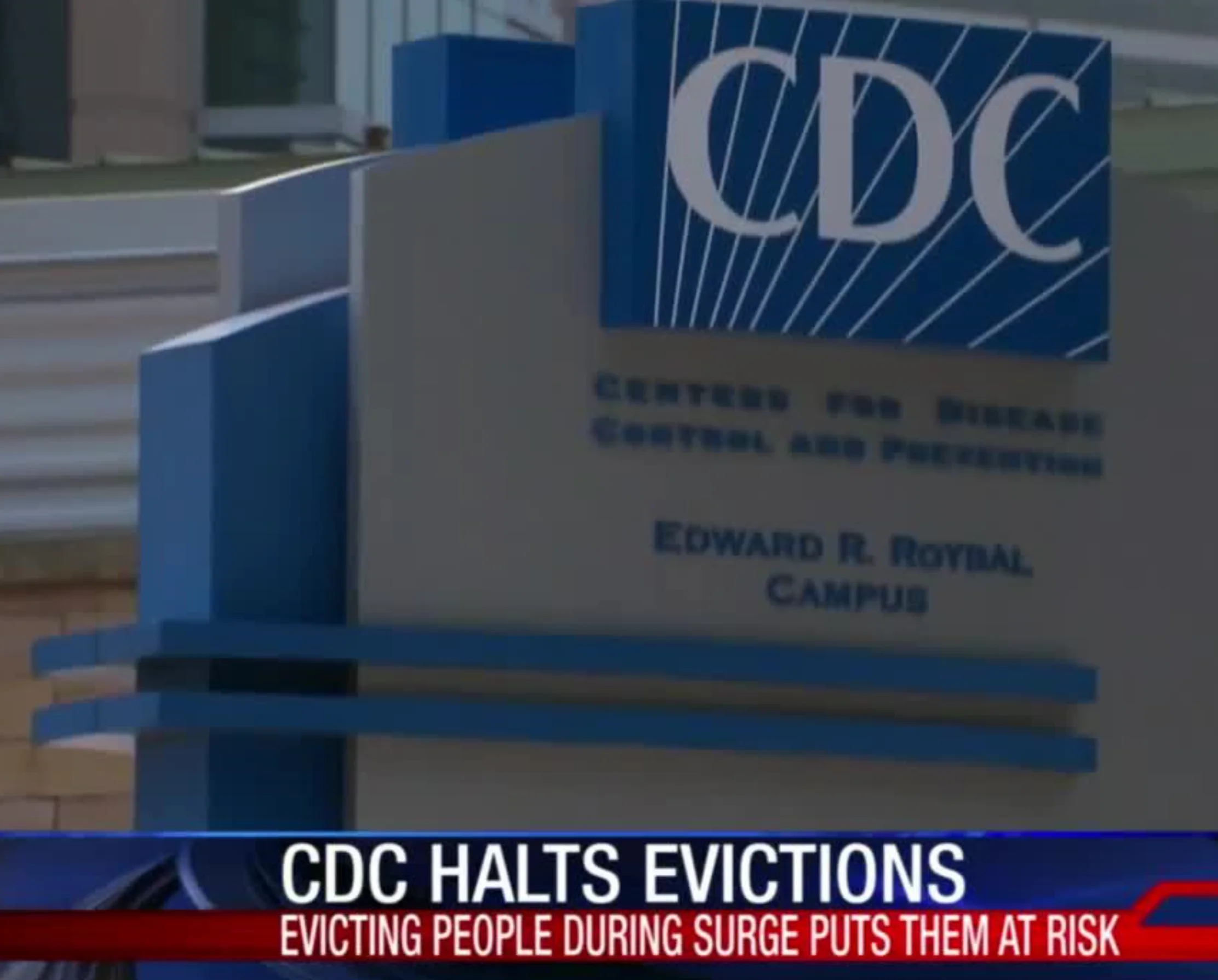
The July 31st expiration of a national eviction moratorium was a threat to those millions owing back rent. But at the 13th hour so to speak– on August 3, 2021– relief (for now) came, again. CDC Director Dr. Rochelle Walensky signed an order (PDF) (external link) determining that the evictions of tenants for failure to make rent or housing payments could be detrimental to public health control measures to slow the spread of COVID-19. This order will expire on October 3, 2021 and applies in counties experiencing substantial and high levels of community transmission levels of SARS-CoV-2 (external link). Key details as public service: for aid, a Declaration Form (PDF) (external link) must be completed and submitted to the landlord. Check out Georgia Legal Aid (external link) site for additional information.
To state the obvious: many housing policy advocates and much more importantly, housing consumers (external link) were very happy with this moratorium.
But things are certainly, hardly "fixed" in any lasting fashion by this measure (as in the case of similar measures before). Problems continue to build and enduring solutions are anything but obvious. Why? Many, many reasons (many touched on in our March Housing snapshot) . But, here are just a few to mention and illuminate a little, here:
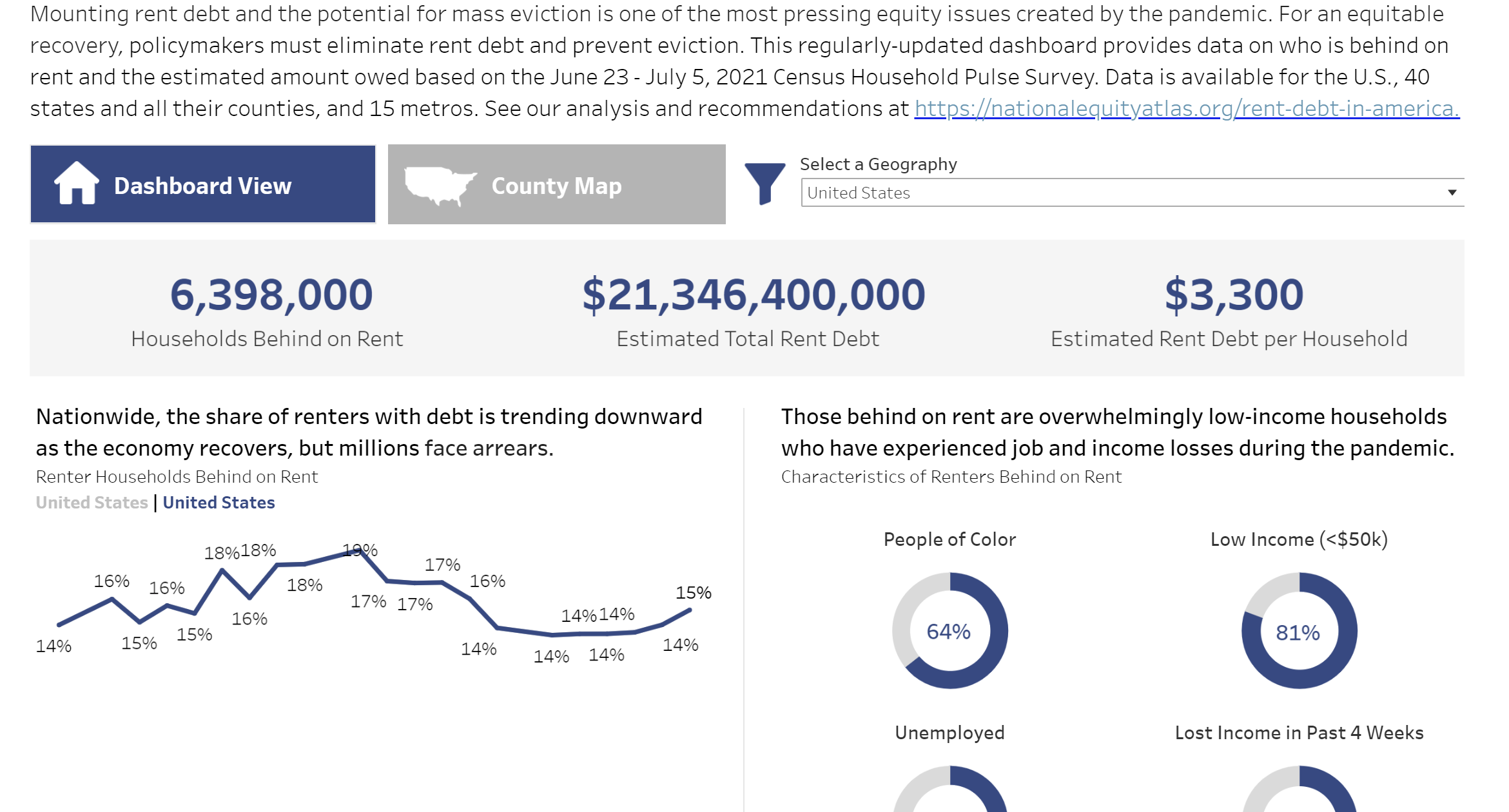
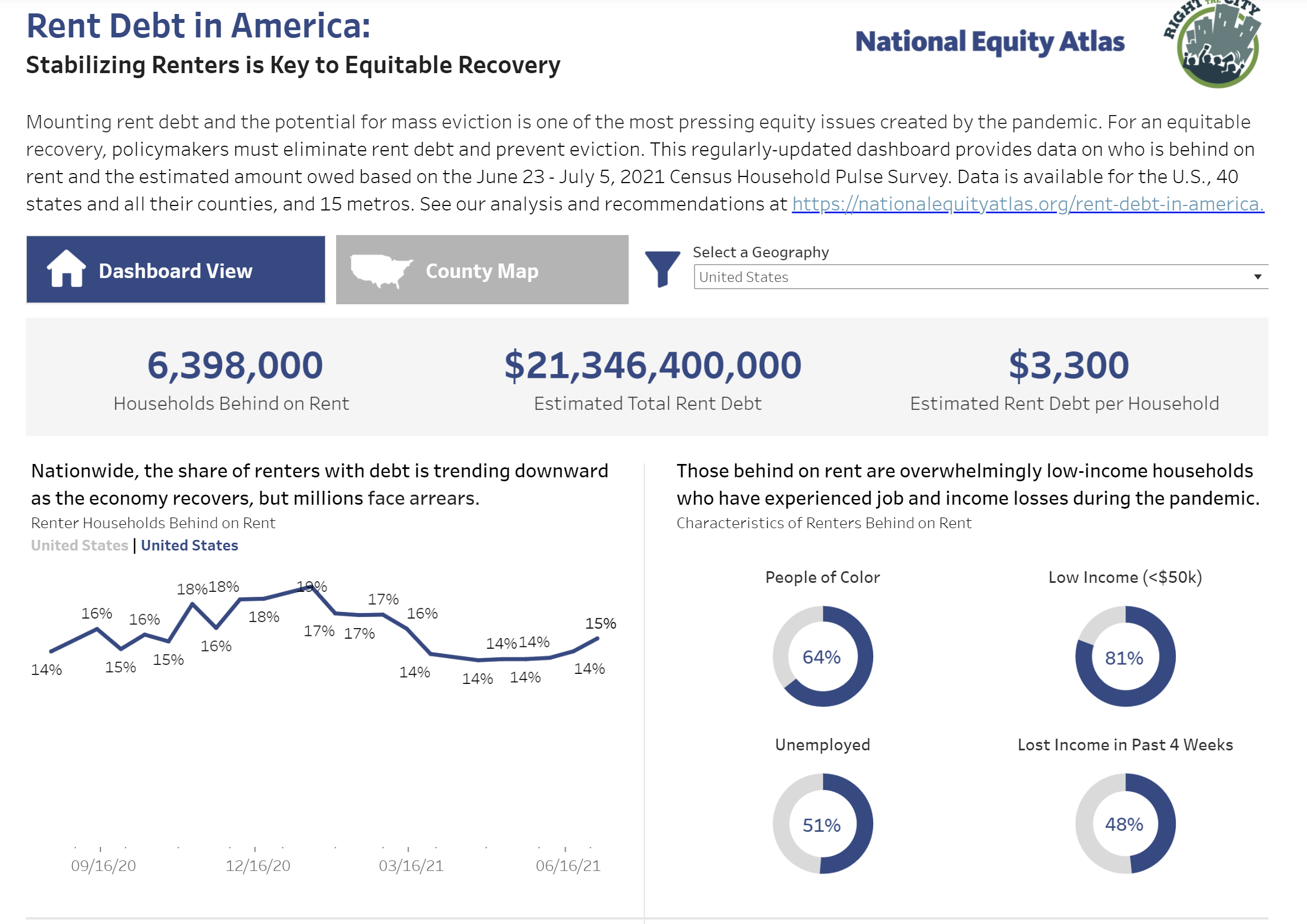
There are a very large number of renters behind in rent (external link), in widespread locations (external link) across the country and in our region, with the amount of rent owed substantial (external link)(see tool in image below). The burden even pre-pandemic was bad for renters, then got worse as SARS-CoV-2 came into play. Adding to the pressure of housing costs, households most likely to rent have frequently suffered job loss in a downturn that has hit the low-income and low-wage the hardest .
There were assistance funds (nearly $50 billion) identified and provided in several of the pandemic aid packages for payment of back rent. But the flow of money has been halting (external link). Here is a regional look (external link) at the slow release of funds.
Low supply has exacerbated the difficulties. There has been little production of new housing regionally (and nationally) in both the renter and the owner (external link) markets. In the single-family sector, prices soared early in the pandemic and even more now (external link), responding to run-ups in building costs up (despite recent drop-offs in what were stratospheric lumber costs), as well as to factors like supply drain from increase in single-family rental (external link) (and build-for-rent) markets.
A solid summary that we have seen more than a few places: with less housing available to households at all levels of income, the higher-income sector "buys down" and raises prices (and costs) for middle and lower-income households.
And here's something else that is obvious: housing concerns are top of mind for regional economic development and regional planning. For more on past and ongoing policy research, planning efforts, and data tools check out:
- Atlanta Metro Housing Strategy (external link)
- The Housing Data Explorer (external link)
- Atlanta Regional Housing Forum (external link)
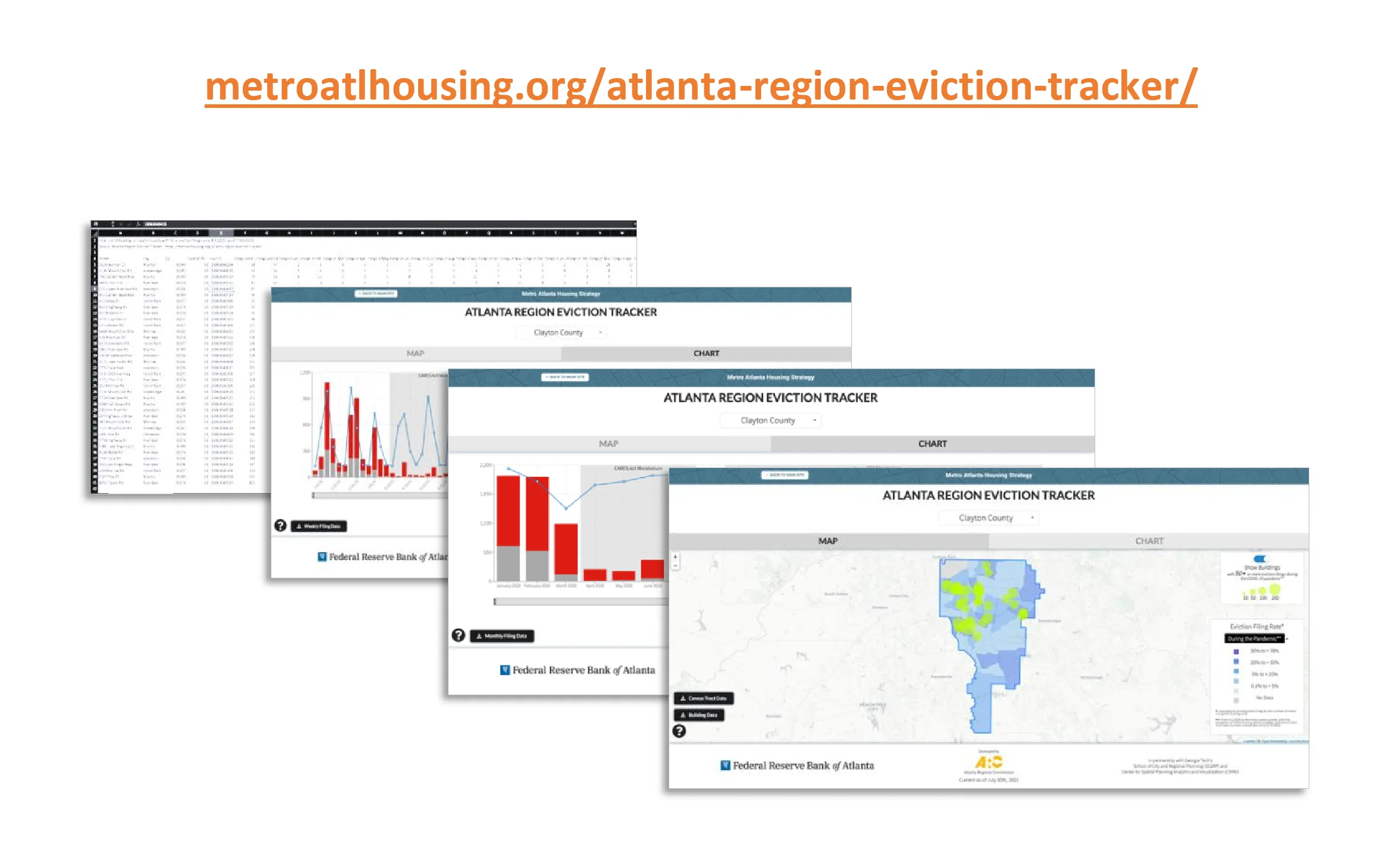
- The Atlanta Region Eviction Tracker (external link) (with a recent post about updates to add building- level data in the Tracker)
And finally– about that Tracker– we want to introduce here a BRAND-NEW product that will help you use that tool (PDF, 655 KB).